
 Download on iOS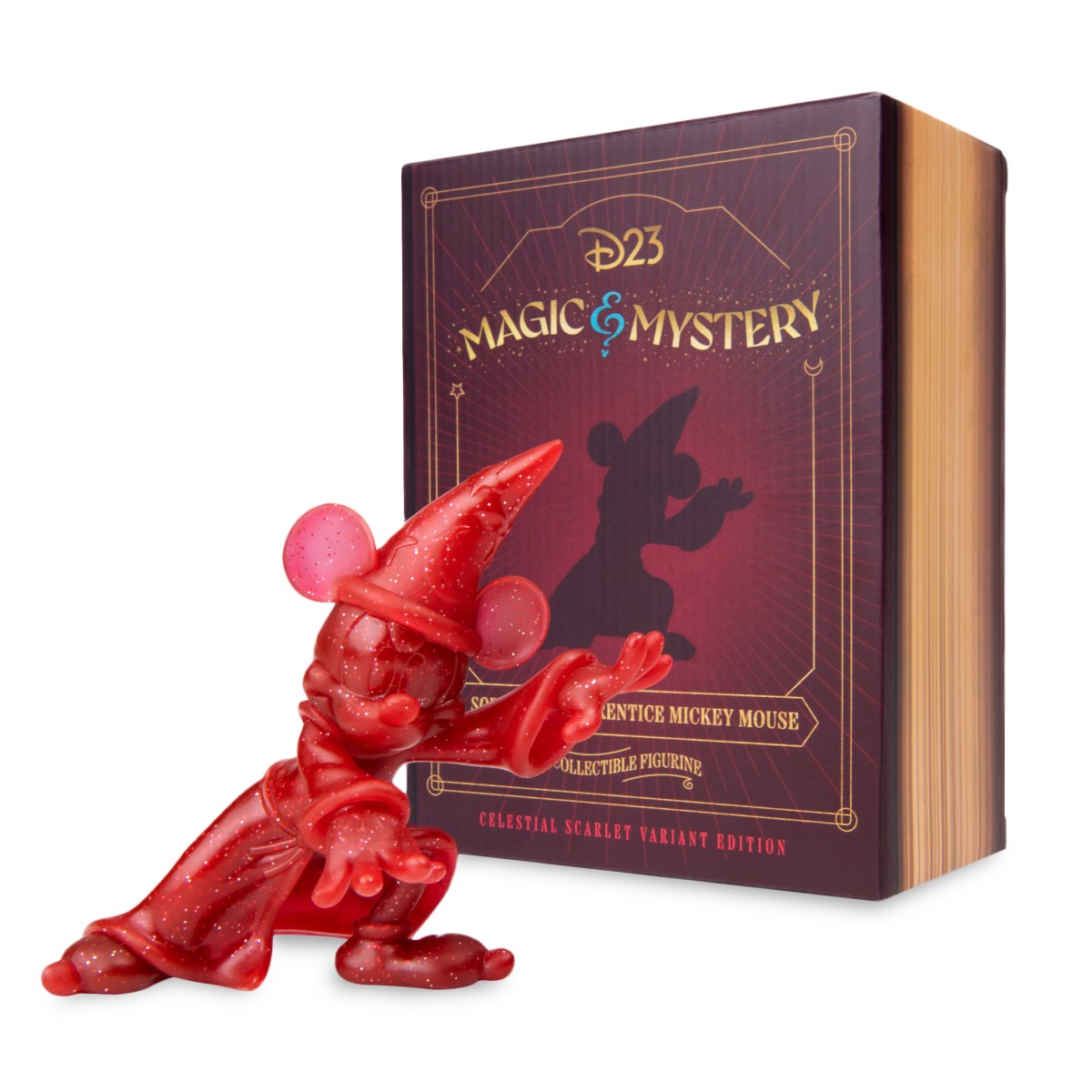
What Disney Collectibles Are Worth Money?
Most Disney stuff is fun but cheap. A small slice is worth real money. Here's how to spot vintage Disneyana, production cels and retired limited editions, and price them right.
Quick answer: The Disney collectibles worth real money are usually old, original or hard to replace. Think 1930s Mickey Mouse toys and watches, hand-painted production cels from the classic films, pieces that came out of Disneyland and Walt Disney World, and retired limited editions with their boxes and paperwork. Mass-market items like "Black Diamond" VHS tapes, sericels and most everyday pins sell for far less than people expect.
Disney has licensed its characters for almost a century, so there is a lot of Disney stuff out there. Most of it is fun to own and cheap to buy. A small slice of it is worth serious money. This guide shows you how to tell which is which, how to check what something actually sells for, and where to sell it.
The categories collectors actually pay for
Collectors call vintage Disney merchandise "Disneyana." Within that big world, a few categories carry most of the value:
- Early character merchandise. Toys, watches, tins, books and dolls from the 1930s and 1940s, when Mickey Mouse merchandise first took off.
- Original animation art. Hand-painted production cels, animation drawings, backgrounds and concept art that were made to produce the films.
- Theme park history. Signs, props, attraction posters, cast member items and ride pieces from Disneyland and Walt Disney World. These come up at specialist auctions.
- Retired limited editions. Figurine lines like the Walt Disney Classics Collection, numbered limited-edition pins and event exclusives, especially with original boxes and certificates.
Everything else, from plush to mugs to modern toys, can still sell. It just tends to sell for everyday prices unless it is rare, sealed or tied to a specific event.
How to date vintage Disney items
Start by reading the fine print. Most licensed Disney products carry a copyright line, and the company name in that line is a strong clue to age.
In the 1930s, character licensing was handled by a company called Walt Disney Enterprises. According to D23, Disney's official fan club, it was folded into Walt Disney Productions on September 30, 1938. So a toy, book or tin marked "Walt Disney Enterprises" points to the 1930s. That is the era collectors get most excited about.
A few more things to look for:
- Maker's names. Early licensed makers often put their own name on the product too. The classic Mickey Mouse watch, for example, was first made by Ingersoll in 1933.
- Character design. Early Mickey has pie-cut eyes (solid black ovals with a wedge cut out) and a longer, more rat-like face. Later designs are rounder and softer.
- Materials. Tin, celluloid, bisque and composition point older. Hard vinyl and molded plastic usually point later.
Keep in mind that popular back then can mean common now. Lionel's 1930s Mickey and Minnie handcar sold hundreds of thousands of units, so condition and completeness matter a lot when you price one.
Animation cels: production vs. sericel
This is the biggest place people get confused. There are three main types of "cels" floating around, and they are worth very different amounts.
- Production cels. Hand-painted on clear acetate and actually used to film a frame of the cartoon. These are one of a kind. Early Disney production cels can sell for thousands, and key master setups (a cel matched with its original painted background) are the top of the market.
- Limited edition cels. Hand-painted, but made to sell to collectors rather than to film. They have some value, but less than true production art.
- Sericels. Silk-screened prints on acetate that look like painted cels. They were made to sell, not to film, and have very little value on the secondary market.
To tell them apart, start with any paperwork, labels or seals that came with the piece, since they often say what it is. Under a magnifier, hand-painted cels show brush texture and slight unevenness, while silk-screened prints look flat and even. If a cel might be production art, get an opinion from an animation art specialist before you sell.
What drives value
Once you know what you have, these factors decide where it lands:
- Age and originality. Original 1930s pieces and production art beat reissues and reproductions every time.
- Character and film. Mickey, Snow White, the Princesses and the Villains have big, steady collector bases.
- Condition. Rust, paint loss, fading, cracks and stains cut prices hard. For cels, look for paint that is lifting or flaking.
- Completeness. Boxes, inserts, certificates of authenticity and original stands can make a big difference, especially for figurines and limited editions.
- Provenance. A clear history, like a piece that came from a known collection or directly from a park, adds confidence and money.
The Walt Disney Classics Collection is a good example of completeness mattering. These hand-painted figurines were introduced in 1992 and ended production in 2012. Many were limited editions, and buyers look for the original box and certificate.
Common traps: VHS tapes and fake pins
"Black Diamond" VHS tapes. You have probably seen listings asking thousands for Disney VHS tapes with a black diamond on the spine. Those are asking prices. Fact-checkers at Truth or Fiction looked into the claim and found that most of these tapes aren't even worth $10, and that some of the hyped listings had zero bids. Sealed, mint copies can sell for more to a serious collector, but not for the numbers you see in headlines.
Scrapper pins. Disney pin trading is huge, and so is the market for fakes, often called "scrappers." Signs of a fake include off-model colors, rough or uneven enamel, paint bleeding past the lines, misspelled words, and fuzzy or wrong back stamps. Real pins have a smooth, finished feel and clean copyright text on the back. Compare anything valuable-looking against verified listings on PinPics before you buy or sell, and be wary of big lots sold for very little online.
How to check what your Disney item is worth
Use sold prices, not asking prices. Anyone can list a tape or a pin for $5,000. What matters is what buyers actually paid.
- eBay sold listings. Search your item, then filter by Sold Items. Match the exact item, size, edition and condition, and look at several recent sales.
- Auction archives. For animation art, Heritage Auctions publishes past results. For theme park pieces, Van Eaton Galleries in Sherman Oaks, California, is known for Disneyland and Walt Disney World auctions.
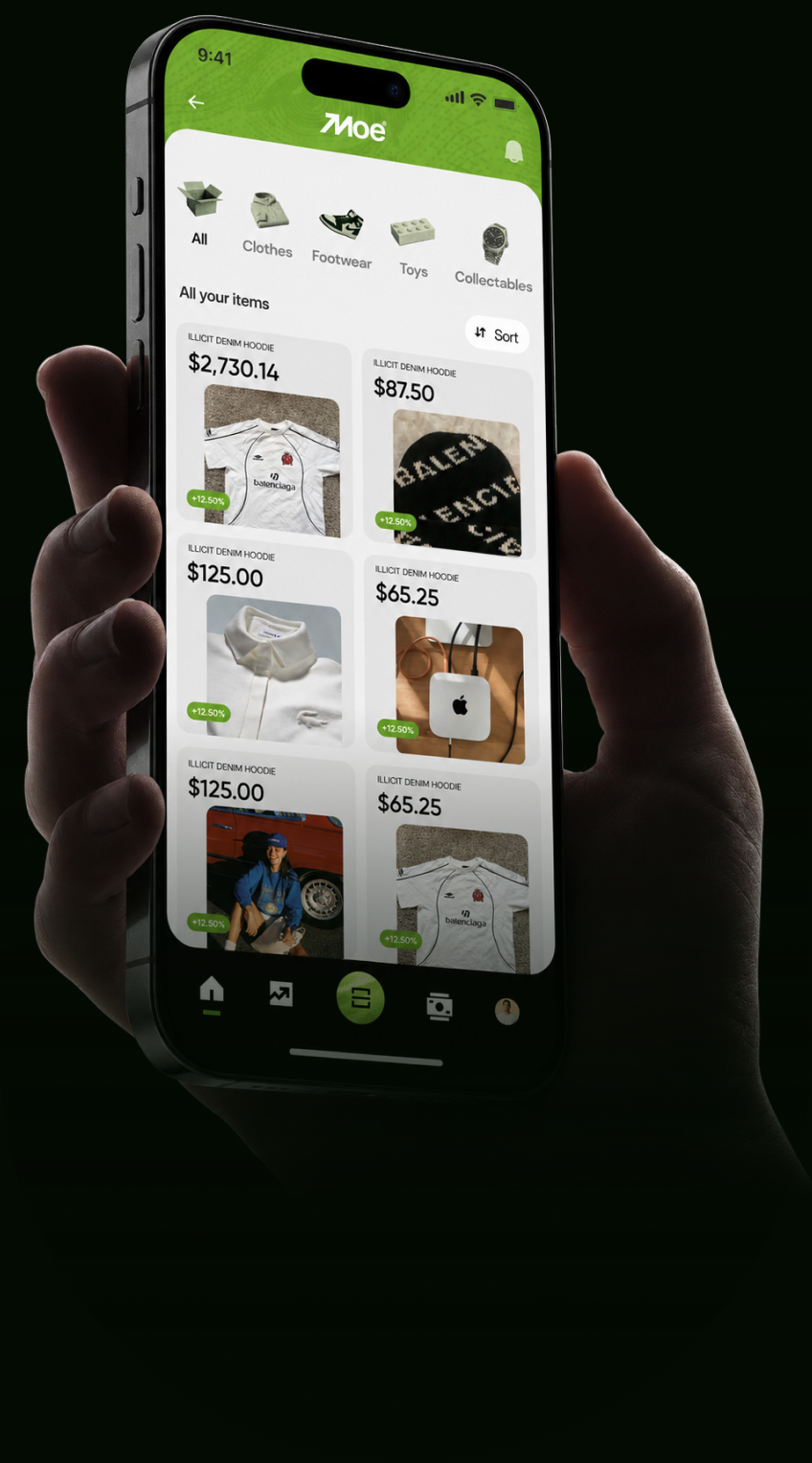
- Scan it. A quick way to start is to snap a photo with Moe, which identifies the item and shows current market value so you know if it's worth a closer look.
If your item is a one-off, like a production cel or a park prop, a specialist auction house or appraiser is worth the call. Recent comps are rare for one-of-a-kind pieces.
Where to sell Disney collectibles
Match the venue to the item:
- eBay is the default for most Disneyana, pins, figurines and vintage toys. It has the biggest pool of collectors searching by name.
- Mercari and Facebook Marketplace work well for everyday pieces, bundles and bulky items you would rather sell locally.
- Whatnot has active live-selling shows for pins, toys and collectibles, which can be a fast way to move a lot.
- Specialist auction houses make sense for production cels, rare 1930s pieces and theme park history.
Listing on several of these at once gets more eyes on your item. Cross-listing tools like Moe let you post to multiple marketplaces and handle buyer messages in one place.
Tips before you buy or sell
- Photograph the marks. Shoot the copyright line, maker's name, back stamps and certificates clearly. Collectors want to see them.
- Don't over-clean. Scrubbing old tin or paint can remove value. A gentle dusting is usually enough.
- Keep sets together. Boxes, certificates and accessories belong with the item.
- Check for reproductions. Many vintage Disney designs have been reissued. Compare against verified originals.
- Know your other fandoms too. If you have a mixed shelf, our guide to old Star Wars stuff works the same way. For more thrift-aisle wins, see what to look for at thrift stores.
Frequently asked questions
What Disney items are worth the most money?
Original production animation art, rare 1930s Mickey Mouse toys and watches, and one-of-a-kind theme park pieces like signs and props sit at the top. Retired limited-edition figurines and pins can also do well with their boxes and paperwork.
Are Disney Black Diamond VHS tapes worth anything?
Usually not much. Fact-checkers found most aren't worth $10, and many high-priced listings never sell. Sealed, mint copies can bring more from serious collectors, but not thousands.
How can I tell if my Disney item is vintage?
Read the copyright line. "Walt Disney Enterprises" points to the 1930s, since that company became part of Walt Disney Productions in 1938. Older materials like tin, celluloid and bisque, plus early character designs, are other clues.
Is a Disney sericel worth anything?
Sericels are silk-screened prints, not hand-painted production art. They have very little value on the secondary market, though nicely framed ones can still sell as decor.
How do I know if my Disney pins are fake?
Look for off-model colors, rough enamel, paint outside the lines, misspellings and fuzzy back stamps. Real pins feel smooth and finished. Compare yours with verified listings on PinPics.
Are Walt Disney Classics Collection figurines worth money?
Some are. The line ran from 1992 to 2012 and included many limited editions. Value depends on the piece, its condition and whether it still has its original box and certificate, so check recent sold prices for your exact figurine.
Scan it with Moe to get a current value, then list it on multiple marketplaces at once.
Get Moe