
 Download on iOS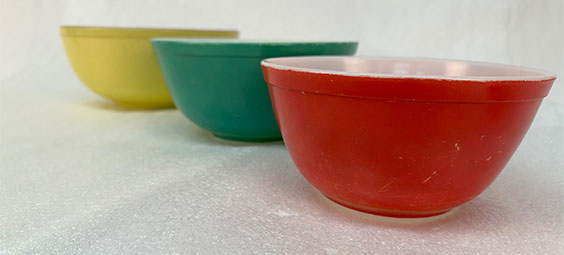
Which Pyrex Patterns Are Worth Money? A Reseller's Guide
Most Pyrex is common, but certain patterns, colorways and complete sets sell well. Here's how to identify them, price them from sold listings and where to sell.
Quick answer: The vintage Pyrex that sells best is patterned or colored opal glass made by Corning from the 1940s through the 1980s. Sought-after patterns include Butterprint, Gooseberry, Snowflake, Pink Daisy, the original Primary Colors bowls, and promotional or short-run designs like Lucky in Love. Complete sets, rare colorways and pieces with bright, glossy paint sell for the most. Check sold listings for the exact pattern, piece and condition before you set a price.
Pyrex is one of the most reliable finds at thrift stores and estate sales. It's everywhere, it's easy to ship with good packing, and plenty of buyers still want it. The trick is knowing which pieces are worth listing and which are just nice old bowls.
What counts as vintage Pyrex?
Corning introduced Pyrex to the public in 1915. The pieces collectors chase are mostly the opal ware: milky white glass with colored exteriors or printed patterns. According to the Corning Museum of Glass, the first opal ware was the Primary Colors mixing bowl set, launched in 1945. Printed patterns followed in the mid-1950s and ran for decades.
Here's how to spot the good stuff:
- Look for opal glass. Collectible pieces are usually solid white glass with a painted or printed outside. Plain clear glass baking dishes are common and rarely worth much.
- Check the bottom. Most pieces have a Pyrex backstamp and a model number. Mixing bowls in the 400 series are numbered 401 to 404. The handled, spouted "Cinderella" bowls are 441 to 444. Round casseroles in the 470s are also common.
- Match the pattern. The Corning Museum of Glass runs a free online Pyrex pattern library called Pyrex Potluck. It lists pattern names, colorways and production years, so you can confirm what you have.
- Don't date it by the logo alone. Many people assume an all-caps PYREX means old and a lowercase pyrex means new. Collector references point out the lowercase logo showed up years before the brand changed hands, so use the pattern and model number instead.
Which Pyrex patterns are worth money?
Value depends on the exact piece, color and condition, so treat this as a list of patterns worth a closer look, not a price chart.
Primary Colors (1945 onward)
The classic nesting set: a blue 401, red 402, green 403 and yellow 404. Complete sets in good shape are always in demand. Collector references note that the earliest 1940s sets have no numbers on the bottom and are noticeably thicker than later bowls.
Butterprint (1957 to 1968)
The farm scene with a rooster, corn stalks and a farmer couple. The standard version is turquoise on white or white on turquoise. Collectors pay extra for the rare colorways: orange Butterprint Cinderella bowls, offered through a trading stamp program, and pink Butterprint casseroles.
Gooseberry (1957 to 1966)
A berry and leaf pattern that debuted on the Cinderella bowls. Pink on white and white on pink are the most familiar. According to the Corning Museum of Glass, the black versions were discontinued in 1962 and were only sold as a four-piece bowl set, which makes a black on yellow set a real find.
Snowflake and Pink Daisy (from 1956)
These were among the first screen-printed Pyrex patterns, launched together as decorator casseroles. Snowflake came in white on turquoise, turquoise on white and white on charcoal. Clean, glossy examples with their original lids sell well.
Promotional and short-run patterns
Some of the most valuable Pyrex was only made for a short time or given away as a promotion. Examples include Starburst (the Cinderella serving casserole from 1960), the Balloons chip and dip set, Atomic Eyes and Pink Stems.
At the top of the list is Lucky in Love, a 1959 pattern with pink hearts and four-leaf clovers on a one-quart casserole. The Corning Museum of Glass calls it one of the rarest Pyrex patterns and says it was likely a test piece or very limited release. The museum notes auction sales above $4,000. Pyrex reissued the design on clear glass in 2018, so check that yours is the original opal version before you get excited.
What drives the price
- Paint condition. Bright, glossy color is everything. Dishwashers dull the finish and fade the color. Collectors call this dishwasher damage. Faded pieces sell for far less.
- Chips, cracks and scratches. Check rims and bases closely. Utensil marks on the inside matter less than damage to the painted outside.
- Complete sets. A full nesting set of bowls usually beats the same bowls sold one at a time.
- Lids and extras. Casseroles with original lids, cradles or carriers are worth more than a lone dish.
- Rare colorways. The same pattern in an uncommon color can sell for many times the standard version.
- Original box. Boxed sets add value and help prove what the set is.
Watch out for tricks, too. Some sellers rub oil on faded pieces to make them look shiny, and some solid-color bowls get repainted to pass as rare colors. Wash and inspect before you buy anything expensive.
How to check what your Pyrex is worth
- Identify the pattern and piece. Note the pattern name, colorway and model number from the bottom.
- Search sold listings, not asking prices. A Pyrex bowl listed at $500 means nothing until someone pays it. On eBay, filter by "Sold Items" to see real sale prices.
- Compare like with like. Match the same piece number, color and condition. A glossy 404 and a dishwasher-faded 404 are different items.
- Look at how often it sells. Common patterns sell every day and are easy to price. Rare ones may have only a handful of sales, so be patient.
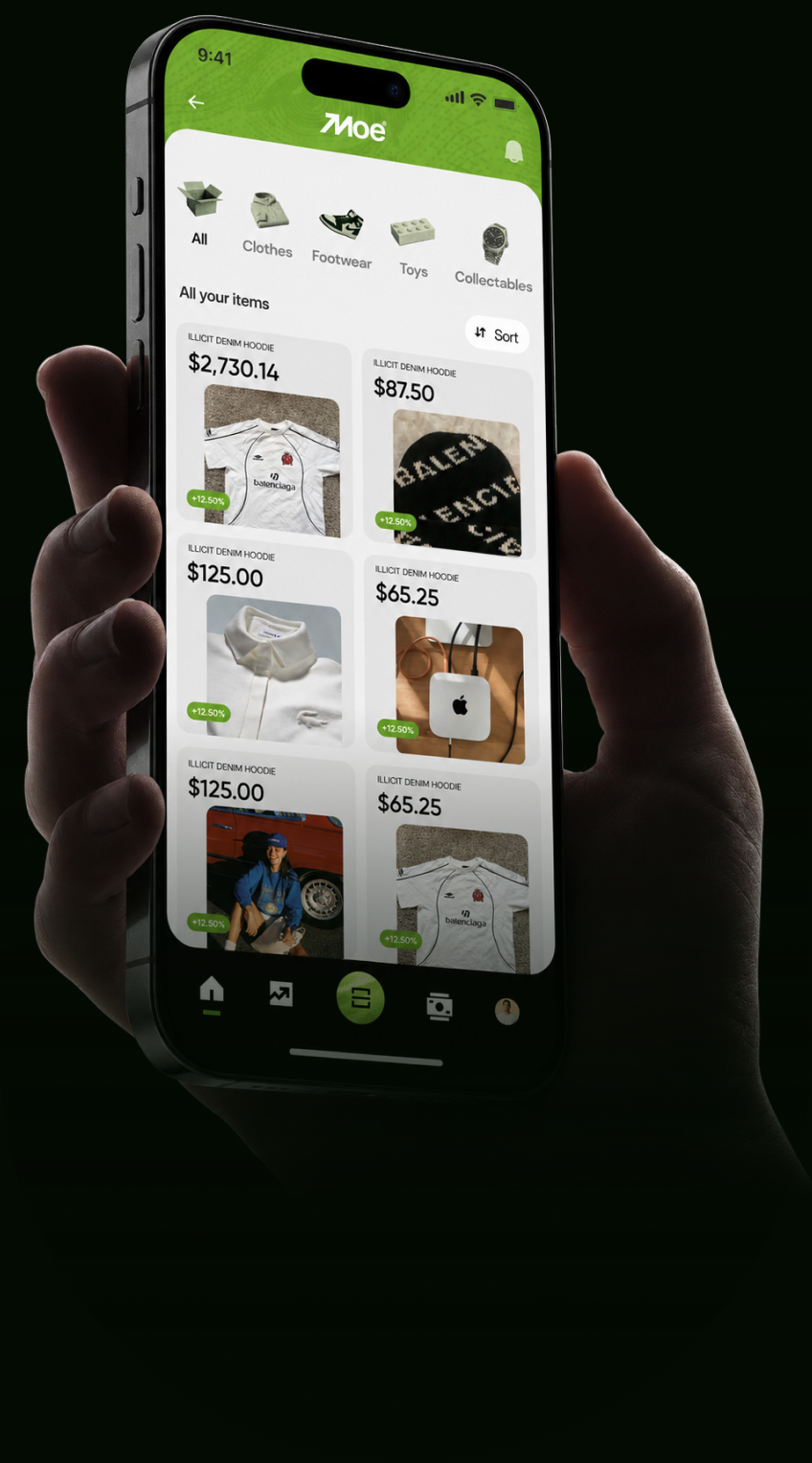
- Scan it for a quick read. Moe identifies items from a photo and shows current market value, which helps when you're standing in a thrift aisle deciding what to buy.
This sold-comps habit works for everything you flip, from kitchenware to modern action figures.
Where to sell vintage Pyrex
- eBay reaches the most buyers and gives you the best sold-price data. Rare pieces and full sets do well here.
- Etsy is a strong fit for vintage kitchenware, since buyers come looking for it.
- Facebook Marketplace and Pyrex collector groups are great for local pickup, which avoids shipping heavy glass. Collector groups are also where the serious buyers are.
- Mercari works for single bowls and casseroles at mid-range prices.
- Antique malls and booths suit common pieces that are too cheap to be worth shipping.
Listing the same piece on several sites gets more eyes on it, but keeping track of every listing and message is a chore. Moe lets you cross-list to multiple marketplaces and answer buyers from one inbox.
Tips for reselling Pyrex
- Hand wash only. Never put vintage Pyrex in the dishwasher, even once.
- Photograph in daylight. Show every side, the bottom stamp and any flaws. Honest photos mean fewer returns.
- Name the pattern and number in your title. Buyers search for things like "Pyrex Butterprint 443" or "Pyrex Primary Colors 401."
- Pack it like it's going to be dropped. Wrap each piece in bubble wrap, and double box anything valuable.
- Don't overpay for common pieces. Plain clear bakeware and faded bowls are easy to find. Save your money for bright patterns, full sets and rare colors.
Frequently asked questions
How do I know if my Pyrex is valuable?
Start with the pattern and color. Patterned or colored opal ware from the 1940s through the 1980s is what collectors want, especially rare colorways, full sets and promotional patterns. Then check the paint: glossy, unfaded pieces with no chips sell for the most. Search sold listings for your exact pattern and piece number to see real prices.
What is the rarest Pyrex pattern?
Lucky in Love, from 1959, is usually named the rarest. It appears on a one-quart casserole with pink hearts and clovers and was likely a test piece or very short release. The Corning Museum of Glass notes auction sales above $4,000. Make sure you don't have the 2018 clear-glass reissue.
How can you tell if Pyrex is vintage?
Look for opal glass with a colored or printed exterior, a Pyrex backstamp and a model number like 401 to 404 or 441 to 444 on the bottom. Match the pattern against the Corning Museum of Glass Pyrex Potluck pattern library. Don't rely on whether the logo is uppercase or lowercase.
Is dishwasher-damaged Pyrex worth anything?
It's worth much less. Dishwasher damage dulls and fades the paint, and collectors pay a big premium for glossy finishes. Faded pieces can still sell to people who want to use them for cooking, but price them low.
Where is the best place to sell vintage Pyrex?
eBay and Etsy reach the most collectors for shipped sales. Facebook Marketplace and Pyrex collector groups are best for local pickup and for finding serious buyers. Many sellers list in more than one place to sell faster.
Are Pyrex mixing bowl sets worth more than single bowls?
Usually, yes. A complete nesting set, like all four Primary Colors bowls or a full Cinderella set, tends to sell for more than the same bowls sold one by one, because many buyers want the whole set.
Scan it with Moe to get a current value, then list it on multiple marketplaces at once.
Get Moe